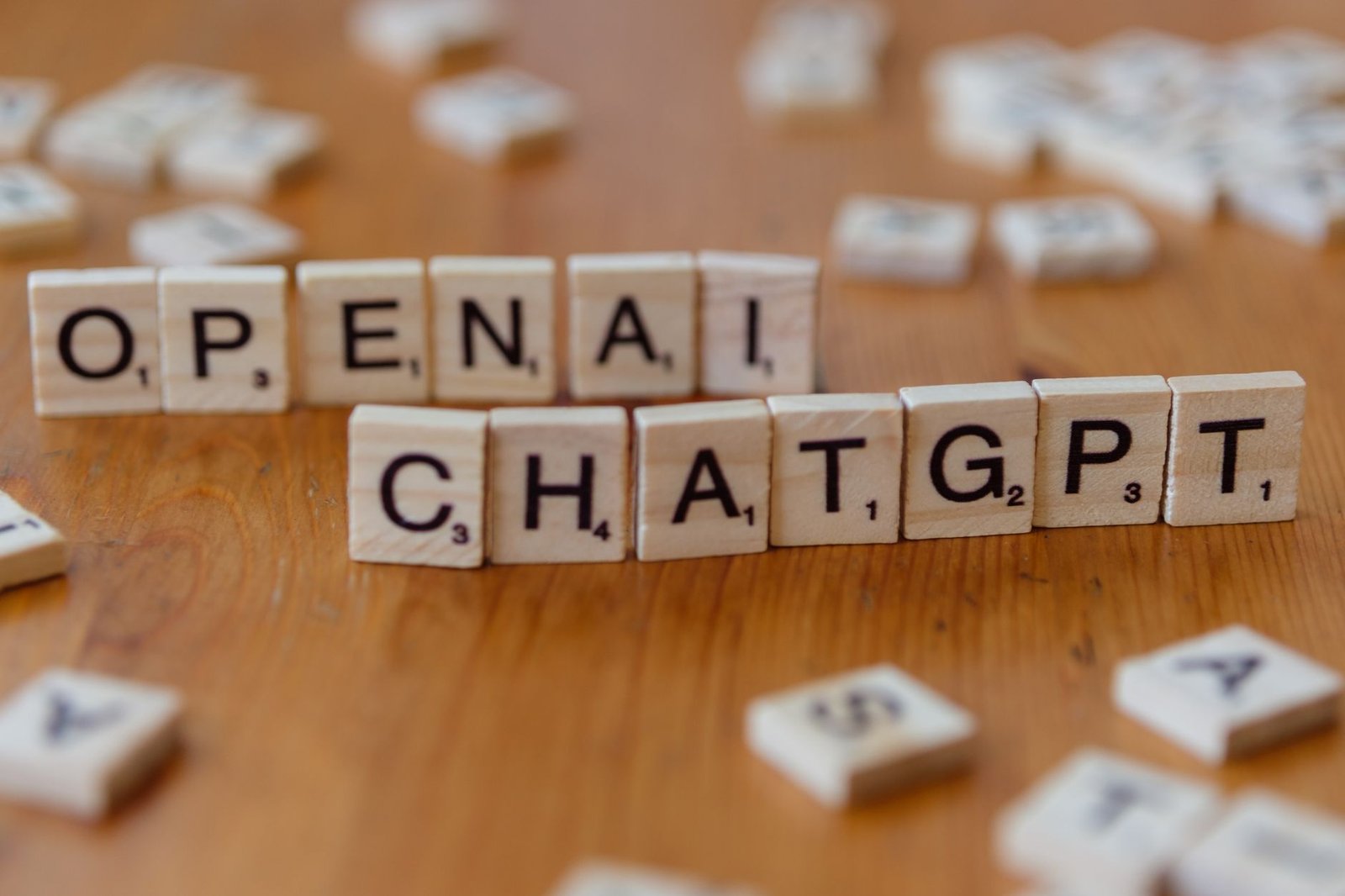
OpenAI GPT-6 launch is set to revolutionize AI models, offering advanced features and improved performance over its predecessors.
Introduction to OpenAI GPT-6
The tech world is buzzing with excitement following the recent OpenAI GPT-6 launch, which promises to redefine the capabilities of AI models. This new iteration, unveiled shortly after Anthropic introduced Claude Opus 5.5, marks a significant leap forward in artificial intelligence technology.
OpenAI’s latest model, GPT-6, is designed to enhance user interaction through improved understanding and generating human-like responses. It builds on the success of its predecessors, incorporating advanced algorithms and a larger dataset that significantly boosts its performance.
Experts believe the OpenAI GPT-6 launch emphasizes the importance of innovation in the AI sector. Key features of this groundbreaking model include:
- Enhanced contextual awareness that allows for more accurate responses.
- Better handling of ambiguous queries, making it more versatile in various applications.
- Increased speed and efficiency, reducing response times for users.
- Expanded knowledge base, ensuring information is up to date and relevant.
The release of GPT-6 positions OpenAI at the forefront of AI development, reinforcing its commitment to pushing the boundaries of what artificial intelligence can achieve.
Comparing GPT-6 and Claude Opus 5.5
The recent launch of OpenAI GPT-6 has generated significant buzz in the tech community, especially in comparison to Anthropic’s Claude Opus 5.5. Both models aim to enhance user experience and efficiency, but there are notable differences that set them apart.
One of the primary distinctions lies in their underlying architectures. OpenAI GPT-6 utilizes a more advanced neural network structure, which offers improved reasoning capabilities and contextual understanding. In contrast, Claude Opus 5.5 maintains a focus on conversational AI, prioritizing natural interactions over complex problem-solving.
Another area of comparison is the training data used for each model. OpenAI GPT-6 has been trained on a diverse and expansive dataset, making it more adaptable to various topics and user needs. Claude Opus 5.5, while still effective, has a narrower training scope, which may limit its versatility in certain applications.
In terms of deployment, OpenAI GPT-6 is designed to integrate seamlessly with existing platforms, providing developers with a robust tool for building applications. Meanwhile, Claude Opus 5.5 continues to emphasize user-friendly interfaces, attracting those who prioritize ease of use.
Overall, the launch of OpenAI GPT-6 marks a significant advancement in AI technology, setting a new benchmark in the field.
Key Features of GPT-6
The launch of OpenAI GPT-6 introduces several groundbreaking features that set it apart from its predecessors and competitors. This new model aims to enhance user experience and broaden the applications of AI technology.
- Improved Language Understanding: GPT-6 exhibits a remarkable ability to grasp context and nuance in conversations, making interactions more natural and engaging.
- Enhanced Multimodal Capabilities: The model can process and generate not just text, but also images and audio, allowing for more complex and interactive applications.
- Increased Customizability: Users can now fine-tune GPT-6’s responses based on specific needs, adapting the AI to various industries and use cases.
- Advanced Safety Features: OpenAI has implemented stricter safety protocols to minimize the risks associated with AI misuse, ensuring more responsible use of technology.
- Broader Knowledge Base: With an updated dataset, GPT-6 can provide more accurate and relevant information, keeping users informed with the latest knowledge.
These key features of GPT-6 not only highlight OpenAI’s commitment to innovation but also position the model as a formidable player in the AI landscape, particularly in light of recent developments in the field.
Implications for AI Development
The launch of OpenAI GPT-6 marks a significant milestone in artificial intelligence development, setting new standards for future models. With its advanced capabilities, GPT-6 is expected to influence various domains, including natural language processing, content creation, and interactive applications.
One of the primary implications of this launch is the potential for enhanced collaboration between humans and AI. As GPT-6 demonstrates improved understanding and response generation, it opens doors for more intuitive user interfaces and smarter virtual assistants. This could lead to:
- Improved Efficiency: Businesses may leverage GPT-6’s capabilities to streamline operations, making processes faster and more efficient.
- Creative Innovations: Artists and writers can harness the power of GPT-6 to generate new ideas and assist in the creative process.
- Education and Learning: Educational tools powered by GPT-6 could provide personalized learning experiences, adapting to individual needs.
Moreover, the advancements in ethical AI practices seen in GPT-6 could pave the way for responsible AI development. By prioritizing transparency and accountability, OpenAI aims to set a precedent that encourages safer use of AI technologies. The implications of the OpenAI GPT-6 launch extend far beyond mere enhancements; they signal a transformative shift in how AI will integrate into our daily lives.
Market Reactions to the Launch
The recent launch of OpenAI GPT-6 has sparked a wave of reactions across the tech industry and among consumers. As anticipation built ahead of the release, analysts had speculated that the new model would significantly impact the competitive landscape, especially following the debut of Anthropic’s Claude Opus 5.5.
Market participants have responded enthusiastically. Early trading saw shares of companies leveraging AI technologies rise sharply, signaling a strong belief in the capabilities of GPT-6. Investors are particularly optimistic about its potential applications in various sectors including healthcare, finance, and education.
Many experts are expressing their thoughts on social media platforms. Some notable reactions include:
- Increased Efficiency: Analysts believe that GPT-6 can enhance productivity tools and streamline workflows.
- Competitive Edge: Several companies are eager to integrate GPT-6 into their services to stay ahead of competitors.
- Ethical Considerations: Discussions around the ethical implications of more advanced AI models have intensified as well.
Overall, the launch of OpenAI GPT-6 is viewed as a significant step forward, with many stakeholders eager to explore its full potential in the evolving AI landscape.
Future of AI Models
The launch of OpenAI GPT-6 marks a pivotal moment in the evolution of artificial intelligence models. As AI technology continues to advance, the future of these models will likely be shaped by several key factors.
First and foremost, the integration of GPT-6 into various sectors demonstrates the increasing reliance on AI tools for enhancing productivity and efficiency. Industries such as healthcare, finance, and education are expected to adopt these models more widely, leading to transformative changes.
Additionally, advancements in natural language processing and machine learning algorithms will pave the way for more sophisticated AI applications. The ability of GPT-6 to understand context, generate coherent text, and engage in meaningful conversations sets a new benchmark for future models.
Another crucial aspect is the ongoing discussion surrounding ethical considerations and regulatory frameworks. As AI models become more powerful, ensuring responsible usage and addressing potential biases will be essential.
In summary, the future of AI models, particularly with the launch of OpenAI GPT-6, looks promising yet complex. Stakeholders must navigate these challenges while harnessing the potential of this innovative technology.
The OpenAI GPT-6 launch marks a significant advancement in natural language processing capabilities. With improved understanding and generation of human-like text, the OpenAI GPT-6 launch is set to redefine how we interact with AI.
Photo by Markus Winkler on Pexels