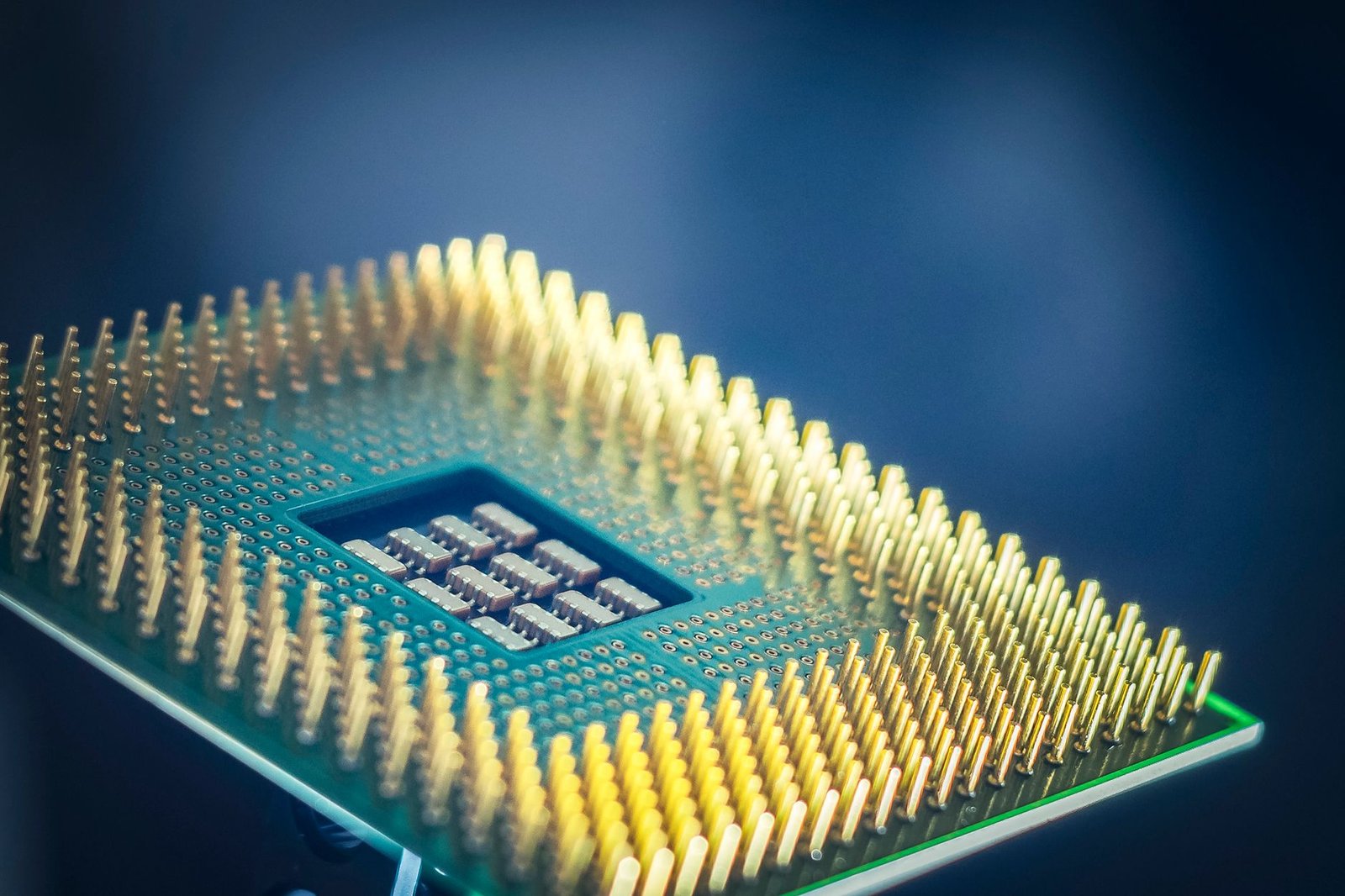
AI chip demand has significantly impacted TSMC’s revenue, which surged past NT$511 billion in September. This growth highlights the increasing need for AI technology in various sectors.
Overview of TSMC’s September Revenue
In September, Taiwan Semiconductor Manufacturing Company (TSMC) reported a remarkable revenue surge, exceeding NT$511 billion, largely driven by the escalating demand for AI chips. This growth reflects a significant milestone for the company, as the demand for AI chips continues to outstrip supply amidst a global technological boom.
TSMC’s performance can be attributed to several key factors:
- Increased Production Capacity: TSMC has ramped up its manufacturing capabilities to meet the soaring need for advanced semiconductors used in artificial intelligence applications.
- Strategic Partnerships: Collaborations with leading technology firms have enabled TSMC to secure a strong foothold in the AI chip market.
- Innovation: Continuous investment in research and development has allowed TSMC to stay at the forefront of chip technology, enhancing its competitive edge.
As the reliance on AI technology grows across various sectors, TSMC’s revenue trajectory showcases a promising outlook fueled by the relentless demand for AI chips.
Factors Driving AI Chip Demand
The surge in AI chip demand is being fueled by several key factors that are reshaping the semiconductor industry. As businesses increasingly adopt artificial intelligence technologies, the need for advanced processing capabilities has become paramount.
- Growing Integration of AI in Various Industries: Many sectors, including healthcare, finance, and automotive, are leveraging AI to enhance efficiency and decision-making. This broad adoption leads to an uptick in demand for specialized AI chips.
- Increased Investment in AI Startups: Venture capital is flowing into AI startups, driving innovation and the need for powerful chips that can handle complex algorithms and large data sets.
- Expansion of Cloud Computing: Major cloud providers are expanding their AI offerings, necessitating more AI chips to support their services, which further escalates demand.
- Technological Advancements: Continuous advancements in chip technology are enabling the development of faster and more efficient AI chips, capturing the attention of enterprises looking to stay competitive.
These factors collectively contribute to a robust market for AI chips, pushing companies like TSMC to unprecedented revenue heights.
Impact of Supply Constraints on the Market
The surge in AI chip demand has created significant supply constraints, impacting the overall semiconductor market. Major players, including TSMC, are struggling to keep up with the insatiable appetite for advanced chips that power artificial intelligence applications. As companies around the globe invest heavily in AI technologies, the production capabilities of semiconductor manufacturers are being tested.
Several factors contribute to these supply constraints:
- Increased Investment: Major tech firms are pouring billions into developing AI infrastructure, leading to heightened demand for high-performance chips.
- Manufacturing Limitations: The complex nature of chip production means that ramping up output takes time, leaving a gap between supply and demand.
- Geopolitical Issues: Trade restrictions and regional conflicts can further complicate the supply chain, affecting material availability and delivery timelines.
As TSMC’s revenue reflects the growing AI chip demand, the company is actively exploring ways to expand its manufacturing capacity to address these challenges.
Future Projections for TSMC
Looking ahead, TSMC is poised for continued growth as the demand for AI chips shows no signs of slowing down. Analysts predict that the company’s revenue may reach unprecedented levels in the coming quarters, largely driven by the expansion of AI technologies across various sectors.
Key projections include:
- Increased Investments: TSMC plans to invest heavily in new manufacturing facilities to meet the escalating demand for AI chips.
- Technological Advancements: Ongoing innovations in chip design and architecture are expected to enhance performance and efficiency, attracting more clients.
- Diverse Applications: The proliferation of AI in industries such as healthcare, automotive, and finance will further boost the consumption of AI chips, solidifying TSMC’s position in the market.
As TSMC navigates this booming landscape, the company remains committed to addressing supply chain challenges to capitalize on the surging AI chip demand, ensuring robust revenue growth for the foreseeable future.
Comparative Analysis with Competitors
As TSMC continues to report record revenues, it faces increasing competition from other semiconductor manufacturers striving to capitalize on the growing AI chip demand. Key players in the industry, such as Samsung and Intel, have also ramped up their investments in AI technologies, aiming to capture a share of this lucrative market.
Samsung, with its advanced fabrication processes, is focusing on high-performance AI chips tailored for mobile devices and data centers. Meanwhile, Intel is developing new architectures that optimize power efficiency and processing capabilities for AI applications.
Despite the competition, TSMC maintains a significant edge due to its state-of-the-art technology and ability to produce chips at scale. Analysts predict that TSMC’s market share will remain robust as long as it continues to innovate and meet the surging demand.
In contrast, Samsung and Intel may need to accelerate their production timelines and enhance their R&D efforts to keep pace with TSMC’s advancements and the evolving landscape of AI chip requirements.
As AI chip demand continues to surge, TSMC is poised to expand its production capabilities to meet the growing market needs. This unprecedented AI chip demand is not only boosting revenue but also attracting new investments in advanced semiconductor technology.
Photo by Jimmy Chan on Pexels