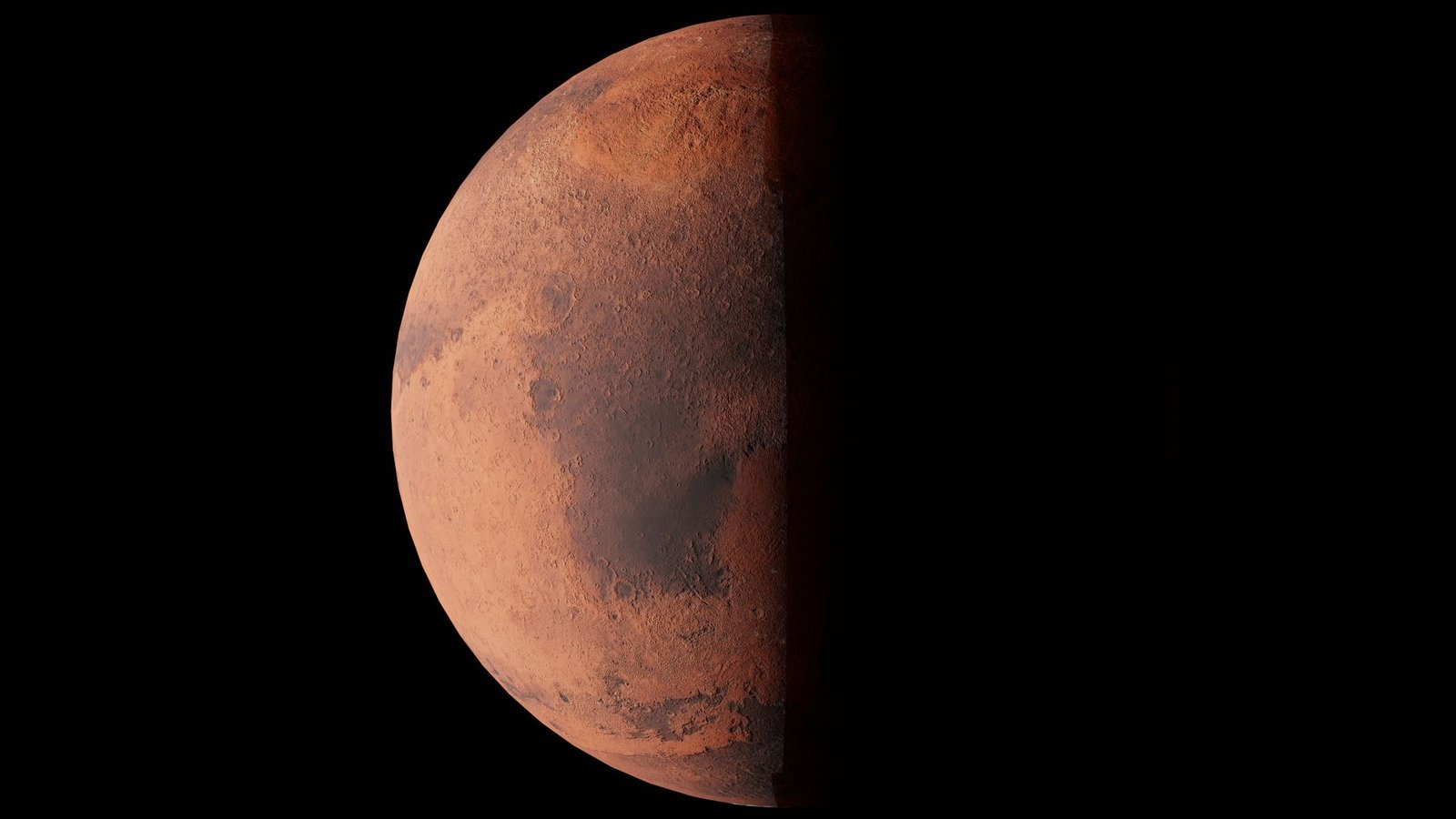
The Japanese spacecraft Mars moon is on a mission to retrieve samples from a Martian moon, promising groundbreaking discoveries about our solar system.
Overview of the Japanese Spacecraft
The Japanese spacecraft, designed for a groundbreaking mission, aims to explore and collect samples from one of Mars’ moons, Phobos. This ambitious project, known as Martian Moons eXploration (MMX), represents a significant leap in our understanding of the Martian system and the potential for future exploration.
Launched by the Japan Aerospace Exploration Agency (JAXA), the spacecraft is equipped with advanced technology to not only reach Mars but to also land on Phobos, gather surface material, and return it to Earth. This mission is especially notable for its use of innovative propulsion systems and autonomous operations, which are essential for navigating the complexities of space travel.
Key aspects of the Japanese spacecraft mission include:
- Sample Collection: The spacecraft will utilize a robotic arm to collect soil and rock samples from Phobos.
- Return Journey: After gathering samples, the spacecraft will embark on a journey back to Earth, with the goal of returning by 2029.
- Scientific Research: The mission aims to provide insights into the origin of the moons of Mars and their potential for harboring life.
Overall, the Japanese spacecraft mission to Mars’ moon signifies a promising step forward in planetary exploration.
Why Mars Moon Matters
The exploration of Mars and its moons has captivated scientists and space enthusiasts alike. Understanding the significance of the Martian moons, Phobos and Deimos, is crucial for future missions and potential colonization. One primary reason why the Mars moon matters is its composition, which may provide insights into the history of the solar system.
Phobos, the larger of Mars’ two moons, is believed to be a captured asteroid, while Deimos is smaller and less understood. Analyzing samples from these moons can reveal information about the early materials that formed the planets. Furthermore, the Japanese spacecraft targeting these Martian moons aims to gather unique samples that could enhance our understanding of both Mars and its surroundings.
Additionally, studying the moons can aid in better understanding Mars’ atmosphere and geology. These insights are vital for planning future human missions to Mars, as knowledge of the moons might inform landing sites and resource extraction strategies. In summary, the Japanese spacecraft Mars moon mission represents a significant step forward in planetary science, with potential implications for future exploration and habitation of Mars.
- Understanding solar system history
- Analyzing asteroid materials
- Informing future Mars missions
Mission Objectives and Goals
The Japanese spacecraft’s mission objectives are designed to deepen our understanding of Mars’ moon, Phobos, and to advance planetary science. The primary goals include:
- Sample Collection: The spacecraft aims to collect soil and rock samples from the surface of Phobos, which could provide insights into the moon’s composition and its formation history.
- Return Mission: Following sample collection, the spacecraft will return these materials to Earth. This will mark a significant achievement in space exploration, as it will be the first mission to bring back samples from a Martian moon.
- Scientific Research: The mission seeks to study the environment of Phobos, including its surface conditions and potential for past life, contributing valuable data to the broader understanding of Mars and its satellites.
Additionally, the mission aims to test new technologies that could be utilized in future interplanetary missions. The Japanese spacecraft’s objectives encompass not only the immediate scientific goals but also pave the way for future explorations of Mars and its moons. By focusing on Mars’ moon, the mission holds the promise of unlocking secrets that could reshape our knowledge of planetary formation and evolution.
Timeline for Sample Return
The timeline for the sample return mission of the Japanese spacecraft targeting Mars’ moon has been meticulously planned to ensure the highest chance of success. This ambitious endeavor includes several key milestones that scientists and engineers are closely monitoring.
- Launch Window: The mission is set to launch during a favorable window in 2024, when Earth and Mars align optimally, minimizing travel time and fuel requirements.
- Travel Phase: Following launch, the spacecraft will embark on a journey lasting approximately six to seven months to reach Mars orbit, where it will position itself for observation and analysis.
- Sample Collection: After thorough examination of the Martian moon’s surface, the spacecraft will deploy a lander to collect samples. This operation is expected to occur around 2025.
- Return Journey: Once samples are collected, the spacecraft will commence its return journey to Earth, aimed for a safe landing by 2027.
- Analysis Phase: Upon arrival, scientists will begin analyzing the samples to unlock the mysteries of Mars’ moon and its potential for past life.
This comprehensive timeline highlights the intricate planning behind the Japanese spacecraft mission, underscoring its significance in advancing our understanding of the cosmos.
Challenges of Space Exploration
Space exploration is fraught with challenges, and the mission of the Japanese spacecraft targeting Mars’ moon is no exception. As scientists and engineers work tirelessly to ensure the success of this ambitious project, several hurdles must be navigated.
- Technical Complexities: The advanced technology required for such missions is constantly evolving. Developing systems that can withstand harsh Martian conditions while ensuring precise navigation is crucial.
- Distance and Communication: The vast distance between Earth and Mars creates communication delays that can complicate mission operations. Teams must plan for potential issues that may arise during the journey.
- Sample Collection: Collecting samples from Mars’ moon poses unique challenges. The Japanese spacecraft must utilize sophisticated tools to gather and preserve these samples for return to Earth.
- Funding and Resources: Securing adequate funding and resources is essential for the mission’s success. Financial constraints can impact research and development, making it vital to demonstrate the scientific value of the Mars moon exploration.
Despite these challenges, the potential discoveries awaiting on Mars’ moon could reshape our understanding of the solar system, driving continued interest and investment in space exploration.
Future Implications for Science
The upcoming mission involving the Japanese spacecraft Mars moon presents significant implications for the future of planetary science and exploration. By collecting samples from Phobos, one of Mars’ moons, scientists hope to gain insights into the origins of the Martian system and the processes that shaped it.
Furthermore, this mission could pave the way for future explorations of other celestial bodies. As researchers analyze the samples, they may uncover information about the potential for life beyond Earth and the geological history of Mars. The findings could help address fundamental questions regarding planetary evolution and the conditions necessary for life.
In addition to its scientific contributions, the mission also enhances international collaboration in space exploration. By partnering with various space agencies and research institutions, Japan demonstrates the importance of shared knowledge and resources in expanding our understanding of the universe.
In summary, the Japanese spacecraft Mars moon mission stands as a testament to human ingenuity and curiosity. Its implications extend beyond immediate scientific gains, fostering a collaborative spirit and opening new avenues for research that could influence our approach to future missions.
The Japanese spacecraft Mars moon has been designed to gather crucial data about the Martian environment. As scientists eagerly await the findings, the Japanese spacecraft Mars moon is expected to shed light on the planet’s geological history.
Photo by Zelch Csaba on Pexels