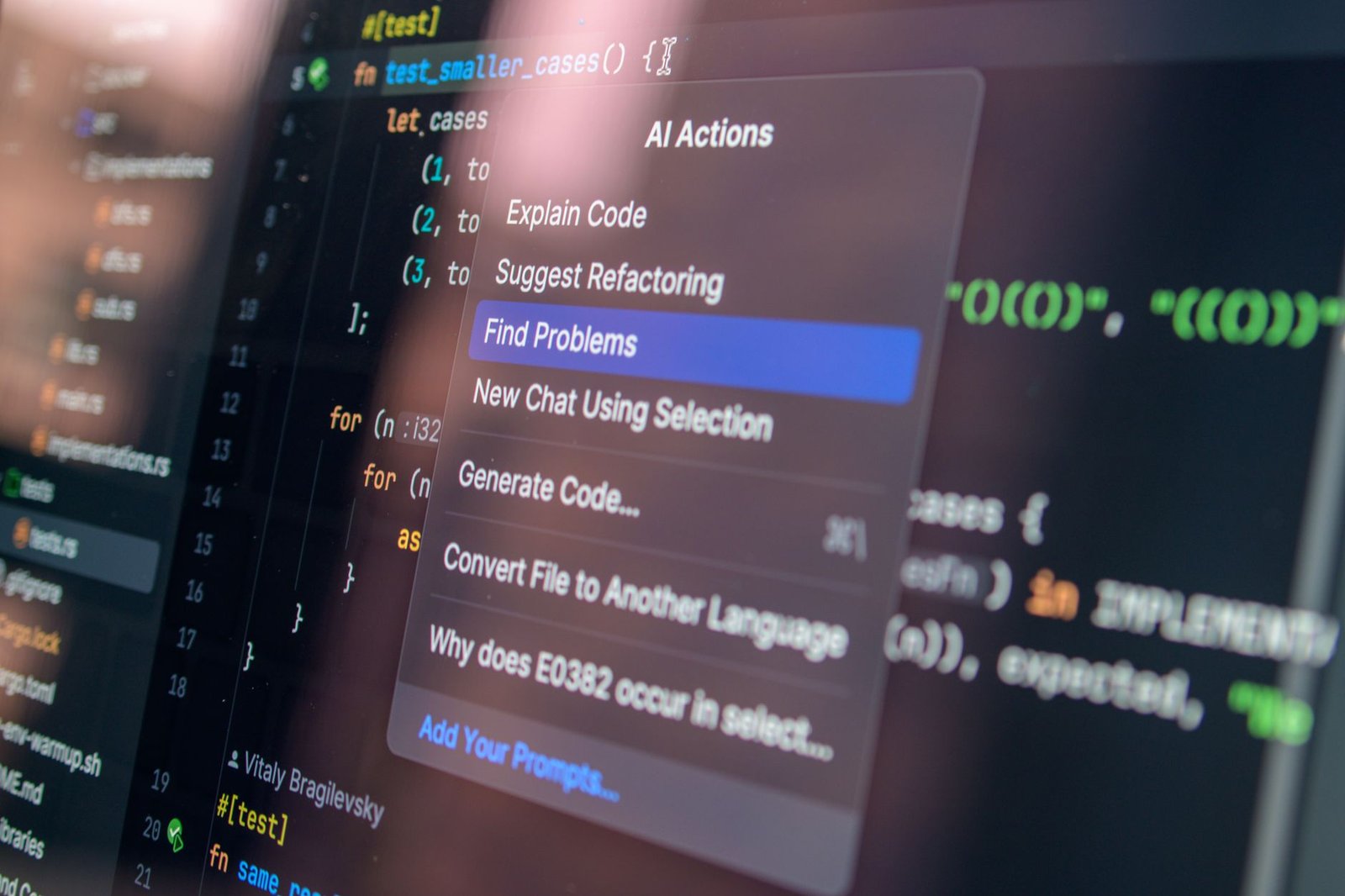
OpenAI Cisco Shirudo is a groundbreaking tool designed to shield Linux systems effectively. This new collaboration aims to enhance security while minimizing downtime.
What is OpenAI Cisco Shirudo?
OpenAI Cisco Shirudo is an innovative solution designed to enhance the security of Linux systems without requiring any downtime. Developed through a collaboration between OpenAI and Cisco, Shirudo aims to address the increasing vulnerabilities faced by Linux environments in today’s digital landscape.
This cutting-edge tool leverages advanced AI technologies to provide real-time protection against potential threats, ensuring that businesses can maintain their operations smoothly and securely. With the rise of cyberattacks targeting Linux servers, the need for effective security measures has never been more critical.
Shirudo operates by utilizing a combination of machine learning algorithms and threat intelligence to detect, analyze, and mitigate risks before they can cause significant damage. The key features of OpenAI Cisco Shirudo include:
- Real-Time Threat Detection: Instant identification of vulnerabilities and anomalies.
- No Downtime Protection: Shielding systems without the need for reboots, allowing continuous operations.
- Adaptive Learning: Evolving defense strategies based on the latest threat intelligence.
- User-Friendly Interface: Simplifying the management of security protocols for administrators.
Furthermore, the integration of OpenAI’s powerful AI capabilities enhances Shirudo’s effectiveness in adapting to new threats, making it a vital tool for organizations relying on Linux infrastructure.
How Shirudo Enhances Linux Security
The launch of OpenAI Cisco Shirudo marks a significant advancement in enhancing Linux security. This innovative solution addresses the growing need for robust protection against cyber threats while maintaining system uptime. By integrating AI-driven capabilities, Shirudo offers a smart way to shield Linux environments effectively.
Shirudo employs a proactive approach to security, focusing on real-time threat detection and response. Its key features include:
- Seamless Integration: Shirudo easily integrates into existing Linux systems without requiring downtime, ensuring that operations continue uninterrupted.
- AI-Powered Insights: Leveraging OpenAI’s advanced algorithms, Shirudo analyzes patterns in system behavior to identify potential vulnerabilities and threats before they can be exploited.
- Automated Response: In the event of a detected threat, Shirudo can automatically initiate predefined response protocols, mitigating risks swiftly and efficiently.
- User-Friendly Interface: The solution features an intuitive dashboard, allowing administrators to monitor security status and receive alerts with ease.
With the rise of sophisticated cyber attacks, the importance of tools like OpenAI Cisco Shirudo cannot be overstated. By providing a smart, efficient, and non-disruptive approach to Linux security, organizations can ensure their systems remain resilient against evolving threats.
Benefits of Using Shirudo
The integration of OpenAI Cisco Shirudo into Linux systems presents numerous advantages that significantly enhance security protocols. Users can expect the following key benefits:
- Seamless Protection: Shirudo operates without requiring system reboots, allowing for uninterrupted user experience while ensuring continuous protection against vulnerabilities.
- Real-time Threat Detection: The intelligent monitoring capabilities of Shirudo enable it to detect and respond to potential threats in real-time, minimizing the risk of data breaches and system compromises.
- Adaptive Security Measures: Utilizing advanced AI algorithms, Shirudo adapts its security measures based on evolving threat landscapes, ensuring optimal defenses against new attack vectors.
- User-Friendly Interface: The interface is designed with simplicity in mind, making it accessible for users of all technical backgrounds to manage security settings effortlessly.
- Cost-Effective Solution: By implementing Shirudo, organizations can reduce the costs associated with traditional security measures, including downtime and extensive IT support.
By leveraging the capabilities of OpenAI Cisco Shirudo, businesses can enhance their Linux security frameworks while maintaining operational efficiency. This innovative solution not only protects systems but also empowers users to focus on their core tasks without the constant worry of security breaches.
User Experience with Shirudo
The user experience with OpenAI Cisco Shirudo has been largely positive, with many users praising its seamless integration into their systems. The setup process is straightforward, allowing users to implement enhanced security features without the need for extensive technical knowledge. This accessibility is a significant advantage for organizations looking to bolster their Linux security without disrupting daily operations.
One of the standout features users have noted is Shirudo’s ability to provide real-time protection while maintaining system performance. Unlike traditional security solutions that may require reboots after updates or configurations, Shirudo operates without interruptions, which is particularly beneficial for businesses that rely on uptime.
- Intuitive Interface: Users appreciate the clean and user-friendly interface, making navigation easy for both novice and experienced users.
- Comprehensive Support: The support resources available, including tutorials and forums, have been highlighted as valuable for troubleshooting and maximizing Shirudo’s capabilities.
- Customization Options: Many users enjoy the flexibility in customizing security settings, allowing them to tailor the solution to their specific needs.
Overall, the feedback on OpenAI Cisco Shirudo reflects a growing trend towards user-centered design in cybersecurity solutions, emphasizing the importance of a positive user experience in effectively safeguarding systems.
Future of AI in Cybersecurity
The future of AI in cybersecurity is poised for significant transformation, with innovations like OpenAI Cisco Shirudo leading the charge. As cyber threats continue to evolve, the integration of artificial intelligence into security protocols becomes imperative. By leveraging machine learning algorithms, systems can now predict, identify, and respond to potential threats in real time, making them more resilient than ever before.
One of the most promising aspects of AI in this realm is its ability to adapt and learn from each interaction. This continuous learning process allows tools like Shirudo to not only defend against existing threats but also evolve in the face of new, emerging vulnerabilities. Organizations can expect faster threat detection and remediation, which is essential in today’s fast-paced digital environment.
Additionally, the automation capabilities inherent in AI technologies reduce the burden on IT teams, allowing them to focus on strategic initiatives rather than routine security checks. This shift not only enhances efficiency but also ensures that security measures are consistently up to date.
As we look towards the future, the collaboration between AI and cybersecurity solutions like OpenAI Cisco Shirudo signifies a proactive approach. The ability to shield Linux systems without the need for reboots represents a leap forward, showcasing how innovative technologies can reshape the way organizations protect their digital assets.
Conclusion: Is Shirudo Worth It?
In conclusion, the introduction of OpenAI Cisco Shirudo marks a significant advancement in the realm of Linux security. By utilizing AI-driven technology, it offers a unique approach to safeguarding systems without the need for disruptive reboots. This capability alone has the potential to transform how businesses and individuals manage their cybersecurity.
When evaluating whether Shirudo is worth the investment, several factors come into play:
- Efficiency: The ability to deploy security measures in real-time without downtime is a game changer for critical operations.
- User-Friendly Interface: Many users have praised its intuitive design, which simplifies the management of security protocols.
- Cost-Effectiveness: By reducing the need for extensive maintenance and downtime, Shirudo can ultimately save organizations money.
- Scalability: Shirudo’s architecture allows it to grow with your organization, providing robust security as your needs evolve.
Moreover, as cyber threats continue to grow in complexity, employing a solution like Shirudo becomes increasingly essential. The integration of AI not only enhances detection capabilities but also streamlines the response process, making it a formidable tool in the cybersecurity landscape.
Ultimately, for those seeking to bolster their Linux environments against evolving threats, investing in OpenAI Cisco Shirudo could prove invaluable.