AI agents for tasks are becoming essential in today’s digital landscape. OpenAI has launched Dots, a new solution that enables AI agents to work autonomously across various applications.
What are AI agents for tasks?
AI agents for tasks are advanced software programs designed to perform a variety of functions autonomously, leveraging artificial intelligence to streamline workflows and enhance productivity. These agents utilize machine learning algorithms to understand user preferences and manage tasks effectively across multiple applications.
Recent developments in AI technology have led to the creation of innovative tools such as OpenAI’s Dots, which exemplify the capabilities of AI agents. These agents can interact with different software platforms, automating tasks that would typically require human intervention. The following are key features of AI agents for tasks:
- Cross-Application Functionality: AI agents can seamlessly navigate between different applications, reducing the need for users to switch contexts manually.
- Task Automation: By analyzing user behavior and preferences, these agents can perform repetitive tasks without direct oversight, saving time and effort.
- Personalized Experience: AI agents adapt to individual user needs, learning from interactions to provide a tailored experience that optimizes task management.
- Enhanced Decision-Making: With access to vast amounts of data, AI agents can make informed decisions quickly, improving overall efficiency in workflow processes.
As AI agents for tasks continue to evolve, they promise to revolutionize how individuals and organizations approach productivity and task management.
OpenAI’s Dots: Key Features
OpenAI’s Dots, the latest innovation in AI agents for tasks, comes packed with features designed to enhance productivity and streamline workflows. These intelligent agents are capable of operating across various applications, making them versatile tools for users seeking efficiency.
Key features of OpenAI’s Dots include:
- Cross-Application Functionality: Dots can integrate seamlessly with multiple applications, allowing users to automate tasks that span different platforms.
- Autonomous Task Handling: With advanced algorithms, these AI agents can manage tasks independently, reducing the need for constant oversight.
- User-Friendly Interface: The design prioritizes ease of use, enabling individuals and teams to quickly adapt and leverage Dots without extensive training.
- Customizable Preferences: Users can tailor Dots to their specific needs, optimizing how the agents approach various tasks and workflows.
- Real-Time Collaboration: Dots support collaboration by synchronizing actions among team members, ensuring that everyone stays on the same page.
With these features, OpenAI’s Dots represent a significant leap forward in the realm of AI agents for tasks, promising to redefine how individuals and organizations approach their daily responsibilities. As the technology continues to evolve, users can expect even more capabilities to enhance their productivity and efficiency.
How AI agents improve efficiency
AI agents for tasks are revolutionizing the way individuals and businesses approach productivity. By automating repetitive and time-consuming processes, these intelligent systems allow users to focus on more strategic activities. The integration of AI agents into daily workflows enhances efficiency in several significant ways.
- Task Automation: AI agents can handle routine tasks such as scheduling meetings, managing emails, and organizing files without human intervention. This automation reduces the chances of errors and frees up valuable time for users.
- Cross-Application Functionality: OpenAI’s Dots excel at working across multiple applications, enabling seamless task management. By coordinating activities between different platforms, these agents ensure that users experience a cohesive workflow.
- Adaptability: AI agents learn from user behavior and preferences, allowing them to adapt to specific needs over time. This continuous learning leads to improved performance and personalized assistance.
- Instant Access to Information: With the ability to quickly retrieve and process information, AI agents provide users with timely insights, making decision-making faster and more informed.
As a result, businesses that implement AI agents for tasks can see a significant boost in overall productivity. By prioritizing efficiency and effectiveness, these intelligent systems represent a smart solution for modern challenges.
Future of task automation with AI
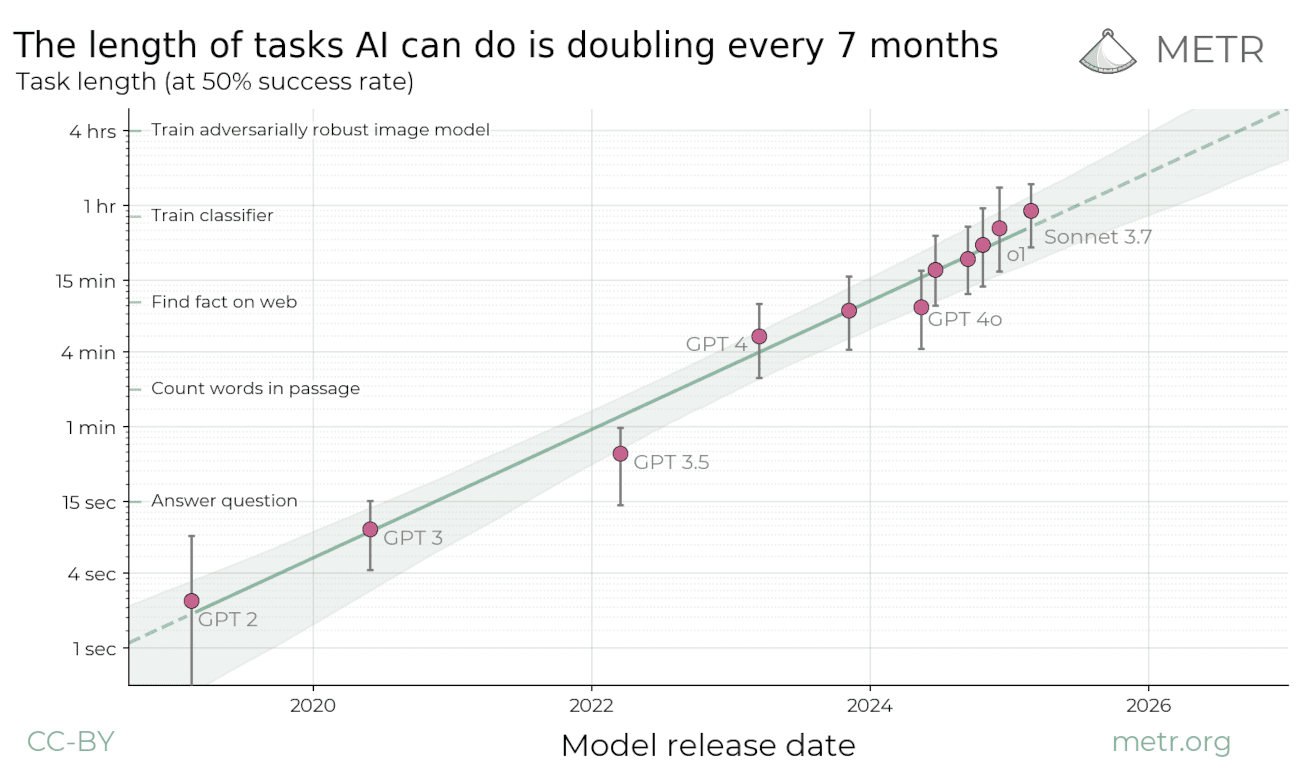
The future of task automation is set to be revolutionized by AI agents for tasks, such as those developed by OpenAI. These intelligent systems are designed to seamlessly integrate into daily workflows, allowing users to delegate mundane and repetitive tasks with confidence. As technology advances, the capabilities of these AI agents are expected to expand, offering even greater efficiency and productivity boosts.
One significant advantage of AI agents is their ability to learn from user interactions. They can analyze patterns in behavior, adapting to individual preferences and enhancing their performance over time. This adaptability means that users will spend less time managing their tasks and more time focusing on strategic initiatives.
Moreover, as AI agents become more sophisticated, they will likely start taking on complex tasks that require nuanced decision-making. For example, they could schedule meetings across different time zones or manage project timelines, freeing up valuable human resources for more creative endeavors.
In addition to streamlining processes, these AI agents will also contribute to improved collaboration. By working across various applications and platforms, they can gather and synthesize information from multiple sources, ensuring that teams remain informed and aligned on their goals.
- Enhanced productivity: AI agents can manage tasks autonomously.
- Continuous learning: They adapt to user preferences over time.
- Complex decision-making: Capable of handling intricate tasks.
- Improved collaboration: Work seamlessly across applications.
By METR via Openverse
Read the original
You might also like
Quantum teleportation breakthrough: Is it the best proven method? · Codex Cloud Remote Coding: The Best Simple Access Solution · Butterfly Effect Manus2.0: Quick Costs Drop by 30%