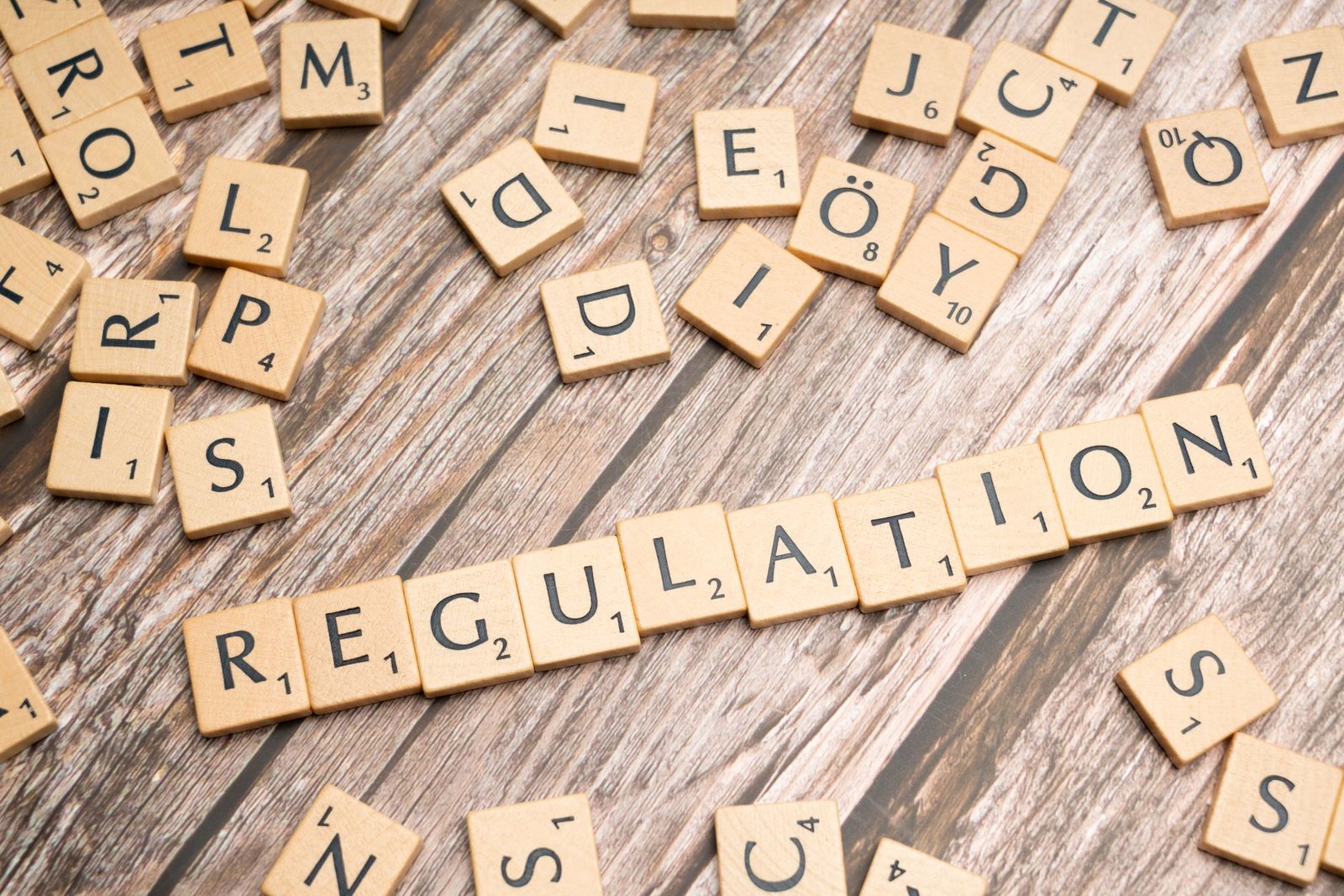
gaming regulation cooperation is crucial for the future of Lagos. The CEO of LSLGA emphasizes the need for closer collaboration among stakeholders to enhance the gaming landscape in the region.
Understanding Gaming Regulation
In recent years, the gaming industry has seen significant growth, prompting the need for effective regulation. Understanding gaming regulation is crucial for ensuring fair play, consumer protection, and the integrity of the market. As the gaming landscape evolves, so too must the frameworks that govern it.
The Lagos State government has recognized the importance of establishing a cohesive regulatory environment. The Chief Executive Officer of the Lagos State Lotteries and Gaming Authority (LSLGA) has emphasized the need for closer cooperation among stakeholders. This collaboration is essential for the development of comprehensive policies that address the unique challenges of the gaming sector.
Key aspects of effective gaming regulation include:
- Consumer Protection: Safeguarding players from fraud and ensuring transparent operations.
- Fair Play: Upholding the integrity of games and preventing cheating.
- Tax Compliance: Ensuring that gaming revenues contribute to public funds.
Through enhanced gaming regulation cooperation, Lagos aims to create a sustainable and responsible gaming environment that benefits all involved.
The Role of LSLGA in Lagos
The Lagos State Lotteries and Gaming Authority (LSLGA) plays a pivotal role in fostering gaming regulation cooperation among stakeholders in the gaming industry. Established to oversee and regulate all gaming activities in Lagos, the LSLGA ensures that operations run smoothly and transparently.
One of the key initiatives led by the LSLGA is the establishment of a framework that encourages collaboration among various entities involved in gaming, including operators, regulatory bodies, and law enforcement agencies. This collaborative approach is essential for:
- Enhancing Compliance: By working together, stakeholders can ensure that they adhere to regulations, thus promoting fair play.
- Preventing Illegal Activities: Cooperation enables a unified front against illegal gaming operations, protecting consumers and legitimate businesses.
- Promoting Innovation: Joint efforts in regulation can lead to the introduction of new technologies and practices that benefit the industry.
Overall, the LSLGA’s emphasis on gaming regulation cooperation is crucial for the sustainable growth of the gaming sector in Lagos.
Why Cooperation Matters
In the rapidly evolving landscape of gaming, cooperation among stakeholders is essential for effective regulation. The challenges posed by illegal gaming operations and the need for consumer protection necessitate a unified approach. Gaming regulation cooperation can lead to more robust policies that ensure both industry growth and public safety.
Firstly, collaboration between government agencies, gaming operators, and community organizations fosters a shared understanding of the issues at hand. This synergy can result in more comprehensive legislation that addresses the unique needs of Lagos. Furthermore, such partnerships enable the sharing of best practices and resources, which can enhance regulatory frameworks.
Additionally, fostering cooperation promotes transparency and trust among stakeholders. When gaming operators engage openly with regulators, it helps to mitigate concerns regarding illegal operations and promotes a fair gaming environment. This trust can encourage responsible gaming practices, ultimately benefiting consumers.
In conclusion, the success of gaming regulation in Lagos hinges on effective cooperation. By working together, stakeholders can create a sustainable and thriving gaming ecosystem.
Challenges in Gaming Regulation
The gaming industry in Lagos is facing several challenges that hinder effective regulation and oversight. As the sector continues to grow rapidly, the complexity of governing bodies and varying regulations across jurisdictions often leads to confusion and inconsistencies. This lack of uniformity can create loopholes that are exploited by unscrupulous operators, ultimately undermining the integrity of the gaming environment.
Furthermore, there is a pressing need for improved data sharing among regulatory bodies to monitor gaming activities effectively. Currently, many agencies operate in silos, which complicates efforts to ensure compliance with established regulations. Without a cohesive approach, it becomes increasingly difficult to address issues such as fraud, money laundering, and underage gaming.
In this context, gaming regulation cooperation among stakeholders is essential. By fostering closer ties between government agencies, industry players, and international partners, Lagos can develop a more robust regulatory framework. Such collaboration would not only enhance accountability but also promote a safer and more transparent gaming landscape for all participants.
Best Practices for Stakeholders
As Lagos continues to navigate the complexities of gaming regulation, stakeholders must adopt best practices to foster effective gaming regulation cooperation. Collaboration among various parties, including government agencies, gaming operators, and community organizations, is essential for creating a robust regulatory framework.
To achieve this, stakeholders should consider the following best practices:
- Transparent Communication: Open lines of communication between regulators and operators ensure that everyone is on the same page regarding compliance and expectations.
- Regular Training: Providing ongoing training for staff involved in gaming operations can help them stay informed about regulations and best practices.
- Community Engagement: Actively involving local communities in the conversation about gaming can help address concerns and promote responsible gaming.
- Data Sharing: Establishing mechanisms for data sharing among stakeholders can enhance transparency and improve regulatory outcomes.
By implementing these best practices, Lagos can pave the way for a more cooperative gaming environment that benefits all parties involved.
Future of Gaming in Lagos
The future of gaming in Lagos is poised for a transformative journey, driven by a commitment to effective gaming regulation cooperation. As stakeholders recognize the importance of aligning their efforts, the potential for a thriving gaming ecosystem becomes increasingly evident.
Experts suggest that a collaborative approach will not only enhance compliance but also foster innovation within the industry. By sharing best practices and resources, stakeholders can create a regulatory environment that supports growth while safeguarding players’ interests.
Furthermore, the integration of technology in monitoring and regulating gaming activities is essential. This includes:
- Implementing advanced data analytics to track gaming trends.
- Utilizing artificial intelligence to detect irregularities and ensure fair play.
- Enhancing communication channels among regulators, operators, and consumers.
As Lagos moves forward, the emphasis on gaming regulation cooperation will be crucial. By prioritizing collaboration, the city can establish itself as a leading gaming hub in Africa, attracting both local and international investments.
Insights from LSLGA CEO
In a recent statement, the CEO of the Lagos State Lottery and Gaming Authority (LSLGA) emphasized the critical need for enhanced gaming regulation cooperation among industry stakeholders. This cooperation, he argues, is essential to foster a safe and responsible gaming environment in Lagos.
“The gaming industry in Lagos is growing rapidly, and with this growth comes the responsibility to ensure that regulations are not only established but also adhered to,” the CEO said. He highlighted that a collaborative approach is necessary to tackle the challenges facing the sector, including issues related to compliance and consumer protection.
Furthermore, the CEO pointed out that by working together, stakeholders can share insights and best practices, which would lead to more effective regulatory frameworks. He stated, “It is through cooperation that we can create a sustainable gaming environment that benefits everyone involved, from operators to consumers.”
As the gaming landscape continues to evolve, the call for gaming regulation cooperation stands as a pivotal strategy for ensuring the integrity and growth of the industry in Lagos.
Steps Towards Effective Regulation
In pursuit of effective gaming regulation, several steps can be taken to enhance cooperation among stakeholders in Lagos. First, establishing a clear framework for communication is essential. This can be achieved through regular meetings and forums where gaming operators, regulators, and community representatives can voice their concerns and share insights.
Second, developing a centralized database for gaming activities will enable better tracking and monitoring of operations. This transparency can foster trust and compliance among all parties involved in the gaming sector.
Third, training programs should be implemented to educate stakeholders on the legal and ethical aspects of gaming. These programs can help cultivate a culture of responsibility and awareness, reducing the likelihood of regulatory breaches.
Lastly, forming partnerships with international gaming regulation bodies can provide valuable guidance and frameworks that can be adapted to the local context. By focusing on gaming regulation cooperation, Lagos can build a robust regulatory environment that promotes growth while ensuring the protection of its citizens.
In order to foster a thriving gaming industry, stakeholders must prioritize gaming regulation cooperation to ensure fair practices and consumer protection. This collaborative approach will not only enhance the reputation of Lagos as a gaming hub but also attract international investments through effective gaming regulation cooperation.
Photo by Markus Winkler on Pexels