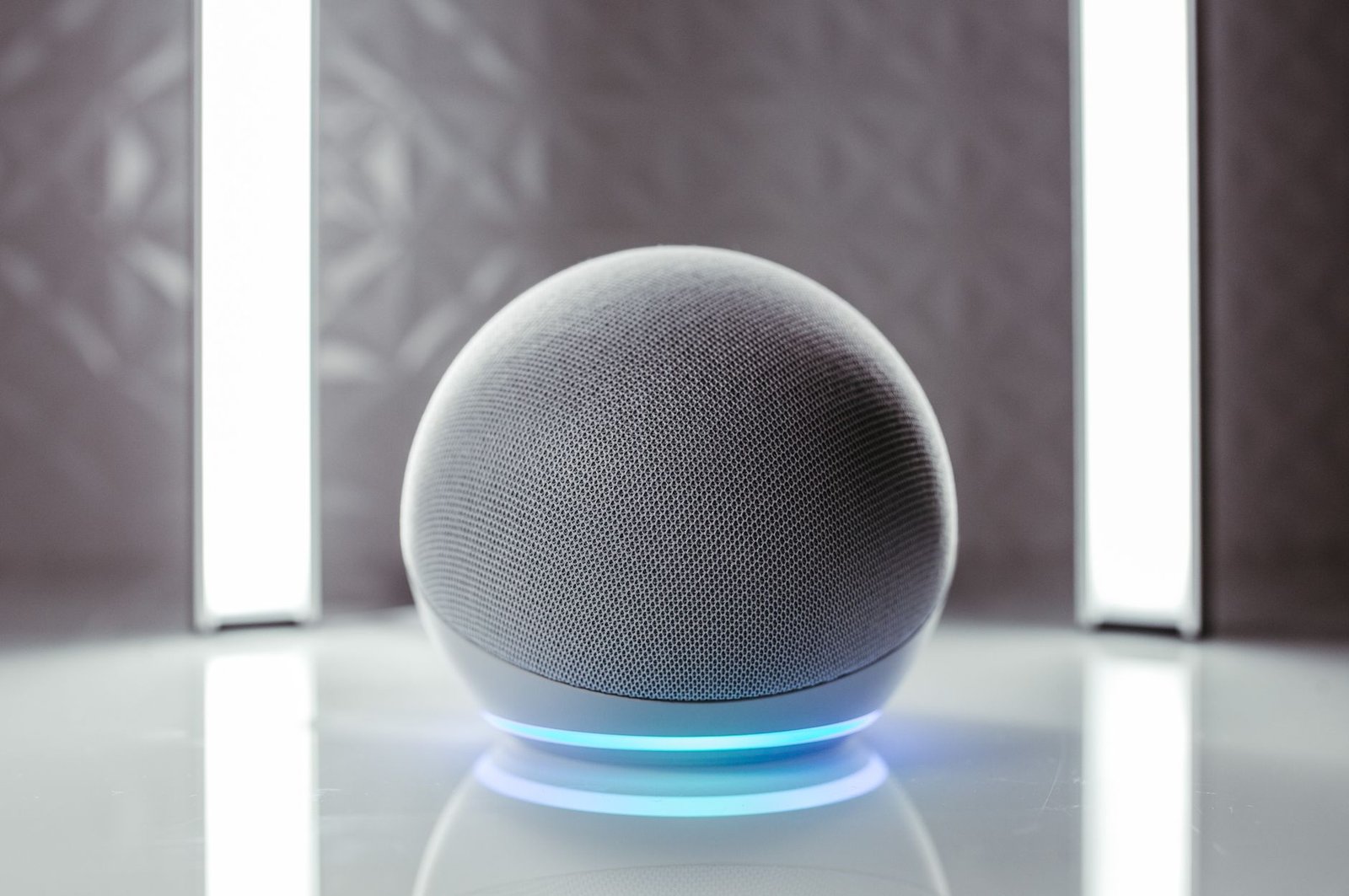
voice AI technology hasn’t reached its ChatGPT moment yet, according to several industry executives. They believe there are still significant hurdles to overcome before it can achieve its full potential.
Current State of Voice AI
Voice AI technology has made significant strides in recent years, yet many industry executives believe it has not yet reached its full potential. While voice assistants are becoming commonplace in households and businesses, the technology still faces several challenges that hinder its widespread adoption.
One of the primary concerns is understanding and processing natural language accurately. Voice recognition systems often struggle with dialects, accents, and background noise, which can lead to miscommunication. Additionally, the ability to grasp context and nuances in conversation remains a hurdle for developers.
Furthermore, the integration of voice AI into various applications is still limited. Many companies are experimenting with voice recognition, but the technology has not yet been seamlessly incorporated into all platforms.
Despite these challenges, the potential for voice AI technology is immense. As improvements in machine learning and natural language processing continue, it is expected that the technology will evolve, ultimately leading to more effective and user-friendly applications.
- Challenges in natural language understanding
- Integration limitations across platforms
- Potential for future growth and adoption
Challenges in Voice AI Development
The development of voice AI technology faces several significant challenges that need to be addressed to achieve its full potential. Industry experts suggest that the technology has not yet reached a breakthrough moment comparable to that of ChatGPT. Key obstacles include:
- Natural Language Understanding: Voice AI systems struggle with context, tone, and nuance, making it difficult to interpret user intent accurately.
- Data Privacy Concerns: As voice AI technology collects personal information, users are increasingly wary of their data being misused or inadequately protected.
- Integration with Existing Systems: Many organizations find it challenging to incorporate voice AI into their current workflows, leading to fragmented experiences.
- Accessibility Issues: Not all users have equal access to voice AI applications, particularly those with disabilities or those who speak less common languages.
- Continuous Learning Requirements: Voice AI models need ongoing training to remain relevant and effective, which can be resource-intensive.
Addressing these challenges will be crucial for the advancement of voice AI technology in various sectors.
Industry Perspectives on AI
As the voice AI technology landscape continues to evolve, industry leaders share a variety of perspectives on its potential and challenges. Many executives believe that while advancements have been significant, the technology has yet to reach a pivotal moment comparable to that of ChatGPT.
Among the key concerns highlighted are:
- Integration with Existing Systems: Many organizations struggle to incorporate voice AI seamlessly into their current frameworks, which can hinder overall efficiency.
- User Acceptance: There is a noticeable hesitation among consumers to fully engage with voice AI, stemming from privacy concerns and a lack of familiarity with the technology.
- Quality of Interaction: Executives argue that the current conversational capabilities of voice AI often feel robotic and lack the nuance required for natural interactions.
- Data Security: Ensuring the protection of user data remains a pressing issue, as companies must navigate the complexities of compliance and customer trust.
Despite these challenges, many in the industry remain optimistic, believing that continued innovation will eventually lead to breakthroughs in voice AI technology.
Future Trends in Voice Technology
As voice AI technology continues to evolve, several future trends are emerging that could shape its trajectory in the coming years. Industry experts predict a shift towards greater integration of voice AI across various sectors, including healthcare, education, and customer service.
Some key trends to watch include:
- Enhanced Natural Language Processing: Improvements in NLP will enable voice AI to understand and respond to human speech with greater accuracy, making interactions more seamless.
- Personalization: As voice AI technology advances, users can expect more personalized experiences, with systems learning preferences and adapting responses accordingly.
- Multimodal Interfaces: The combination of voice AI with other technologies, such as augmented reality and visual displays, will create richer user experiences and expand the capabilities of voice assistants.
- Privacy and Security Innovations: Addressing concerns about data security and user privacy will be crucial for widespread adoption, prompting advancements in encryption and authentication methods.
These trends highlight the potential for voice AI to revolutionize communication and interaction, though challenges remain in fully realizing its capabilities.
Comparing Voice AI to ChatGPT
As the landscape of artificial intelligence evolves, voice AI technology is increasingly compared to the capabilities of ChatGPT. While both technologies utilize advanced algorithms and natural language processing, the nuances in their applications highlight significant differences.
ChatGPT excels in generating text-based responses, allowing for fluid conversations and content creation. Conversely, voice AI technology focuses primarily on comprehension and vocal interaction, which presents unique challenges. Industry experts argue that voice AI has yet to achieve its “ChatGPT moment,” where it can seamlessly integrate into daily life with the same level of efficiency.
Several factors contribute to this disparity:
- Contextual Understanding: Voice AI must navigate varied accents, dialects, and background noise more effectively.
- User Experience: Engaging with voice interfaces often requires a different approach than text-based interactions.
- Data Limitations: The availability of high-quality voice data remains a barrier to improving accuracy and responsiveness.
Overall, while both voice AI technology and ChatGPT represent significant advancements, their paths and potential applications continue to diverge.
Photo by Jonathan Borba on Pexels