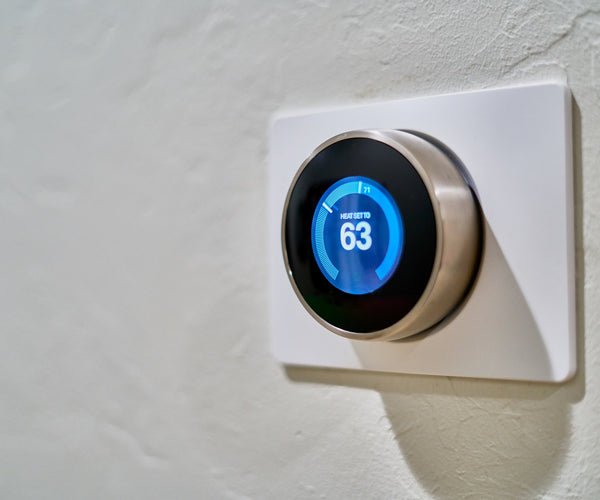
How long does a Nest thermostat last? The durability of this smart home device is a crucial factor for homeowners seeking long-term convenience. Understanding the lifespan of a Nest thermostat is essential for making informed decisions about home automation investments. Let’s dive into the key factors that influence how long a Nest thermostat can effectively operate and provide comfort and efficiency. Join us as we uncover the secrets behind the longevity of these innovative temperature control systems.

How Long Does a Nest Thermostat Last?
If you are considering investing in a Nest thermostat for your home, one of the questions that might be on your mind is: How long does a Nest thermostat last? Nest thermostats have become increasingly popular due to their smart features and energy-saving capabilities. In this article, we will delve into the longevity of Nest thermostats, exploring their durability, lifespan, and factors that can affect how long they last.
The Lifespan of a Nest Thermostat
Nest thermostats are known for their high-quality build and innovative technology. On average, a Nest thermostat can last anywhere from 7 to 10 years. However, this lifespan can vary depending on various factors, such as usage, maintenance, and environmental conditions. The good news is that Nest thermostats come with a warranty, typically covering them for 2 to 5 years, providing some assurance of their durability.
Factors Affecting the Longevity of a Nest Thermostat
Several factors can influence how long a Nest thermostat lasts. Understanding these factors can help you maximize the lifespan of your device and ensure that it functions efficiently for years to come.
Usage
The more frequently you interact with your Nest thermostat, the more wear and tear it may experience. Constant adjustments to temperature settings, manual overrides, and frequent use of the device’s features can impact its longevity. To prolong the lifespan of your Nest thermostat, try to limit unnecessary adjustments and let the smart features work their magic.
Maintenance
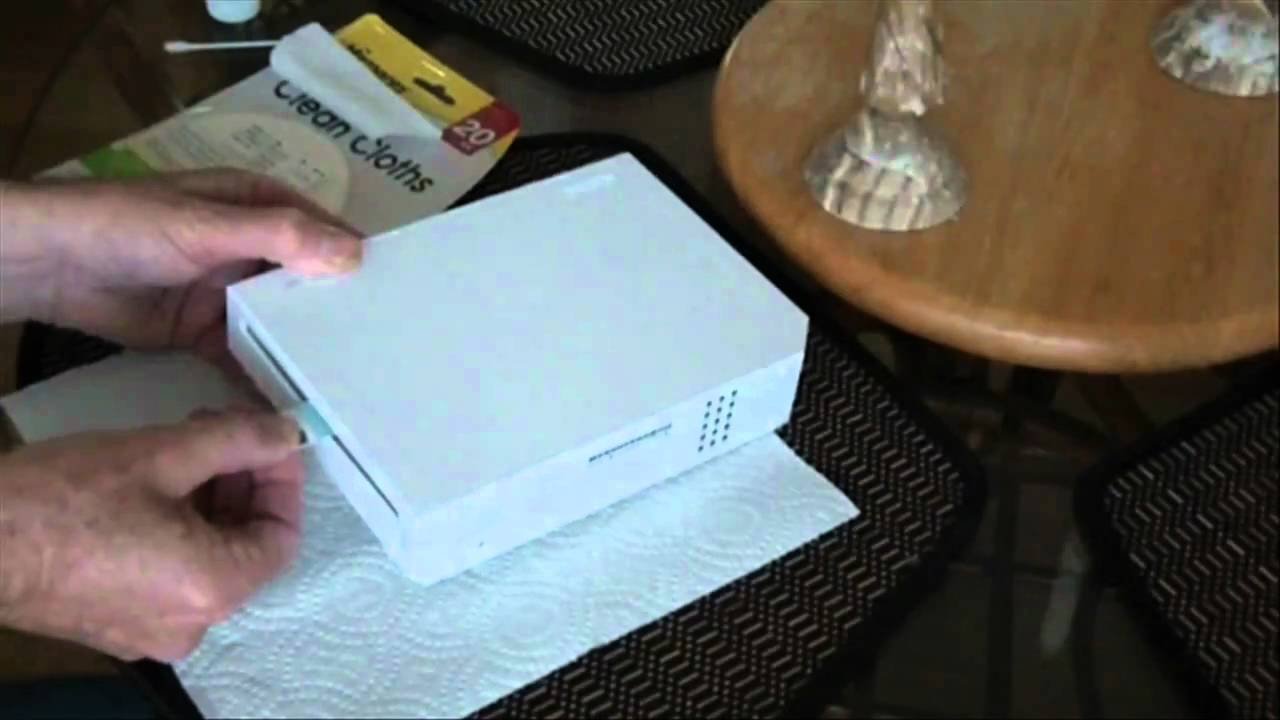
Regular maintenance can play a significant role in extending the life of your Nest thermostat. Keeping the device clean, free of dust and debris, and ensuring proper airflow around it can prevent overheating and other issues that may shorten its lifespan. Additionally, performing software updates as recommended by the manufacturer can help keep the thermostat running smoothly.
Environmental Conditions
The environment in which your Nest thermostat operates can also influence how long it lasts. Extreme temperatures, high humidity, exposure to direct sunlight, or placement near sources of heat or cold can impact the device’s performance and durability. It is essential to install your Nest thermostat in a suitable location that is well-ventilated and away from potential hazards.
Signs That Your Nest Thermostat Needs Replacement
Despite its longevity, there may come a time when your Nest thermostat needs to be replaced. Being aware of the signs that indicate your thermostat is nearing the end of its lifespan can help you avoid unexpected breakdowns and maintain a comfortable home environment.
Slow or Inconsistent Performance
If you notice that your Nest thermostat is slow to respond to commands, displays inaccurate temperature readings, or fails to maintain consistent settings, it may be a sign that the device is approaching the end of its lifespan. In such cases, considering a replacement can help you avoid potential disruptions in your home’s heating and cooling system.
Physical Damage
Physical damage to your Nest thermostat, such as cracks on the display, malfunctioning buttons, or loose components, can compromise its functionality and longevity. If your thermostat shows visible signs of wear and tear or damage, it may be time to invest in a new one to ensure optimal performance.
Frequent Malfunctions
If your Nest thermostat experiences frequent malfunctions, such as random temperature adjustments, unresponsive controls, or connectivity issues, it could indicate underlying problems that may be difficult to resolve. In such cases, replacing the thermostat can provide a more reliable solution for your home’s heating and cooling needs.
Conclusion
In conclusion, a Nest thermostat can last between 7 to 10 years, depending on usage, maintenance, and environmental factors. By understanding how these factors influence the longevity of your thermostat and being aware of the signs that indicate it may need replacement, you can ensure that your home remains comfortable and energy-efficient for years to come. Remember to follow the manufacturer’s recommendations for care and maintenance to maximize the lifespan of your Nest thermostat.
How long does battery last in Nest thermostat?
Frequently Asked Questions
How long can a Nest thermostat last before needing a replacement?
A Nest thermostat typically lasts between 10 to 15 years. However, the lifespan can vary depending on usage, maintenance, and environmental factors. Regular software updates can also help extend the longevity of your Nest thermostat.
What are some signs that indicate a Nest thermostat may need to be replaced?
If you notice issues such as inaccurate temperature readings, unresponsive controls, or frequent malfunctions, it might be time to consider replacing your Nest thermostat. Additionally, if your thermostat is approaching the end of its typical lifespan, it could be wise to plan for a replacement.
Can Nest thermostats be repaired if they stop working before the end of their expected lifespan?
Yes, Nest thermostats can often be repaired if they encounter problems before reaching the end of their lifespan. Common issues such as connectivity problems, display malfunctions, or sensor inaccuracies can be addressed through troubleshooting, software updates, or professional repairs. However, if the repairs are extensive or the thermostat is very old, it may be more cost-effective to replace it.
Final Thoughts
Nest thermostats typically last around 10-15 years, providing efficient temperature control. Factors like regular maintenance and usage patterns impact longevity. Investing in a Nest thermostat ensures long-term energy savings and convenience. Remember, how long a Nest thermostat lasts depends on proper care and usage. So, maximize its lifespan with proper maintenance and usage habits.