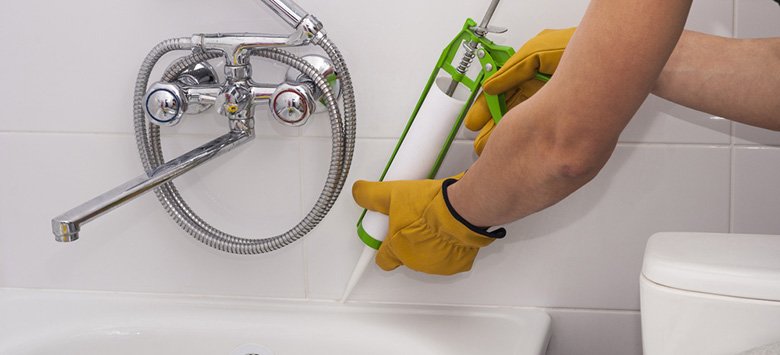
Silicone cures at different rates based on several factors. Generally, it takes around 24 hours to fully cure. However, temperature, humidity, and the type of silicone used can all impact the curing time significantly. Understanding these variables is crucial for ensuring the best results in your silicone projects. Let’s delve deeper into the world of silicone curing and uncover the secrets behind “how long does it take silicone to cure.”

How Long Does It Take Silicone to Cure?
Silicone is a popular material used in various DIY projects, repairs, and crafts. One of the most common questions people have when working with silicone is, “How long does it take for silicone to cure?” Understanding the curing process of silicone is crucial to ensure the success of your projects. In this detailed guide, we will explore everything you need to know about how long it takes for silicone to cure.
The Basics of Silicone
Before we dive into the curing time of silicone, let’s first understand what silicone is. Silicone is a versatile polymer that is used in a wide range of applications due to its flexibility, durability, and heat resistance. It comes in various forms, such as sealants, adhesives, and mold-making compounds.
When silicone is applied, it starts as a thick liquid or gel-like substance that eventually hardens or cures over time. The curing process is essential to ensure that the silicone creates a strong and lasting bond or seal.
Factors Affecting Silicone Curing Time
Several factors can influence how long it takes for silicone to cure. Understanding these factors can help you predict the curing time more accurately and adjust your project timeline accordingly.
1. Type of Silicone
There are different types of silicone formulations available, each with its specific curing time. Some silicones are designed to cure quickly, while others may take longer to fully harden. Be sure to check the product label or instructions to determine the curing time for the silicone you are using.
2. Temperature and Humidity
The ambient temperature and humidity levels can significantly impact the curing time of silicone. In general, silicone cures faster in warmer temperatures and lower humidity. If you are working in a cold or humid environment, the curing process may take longer than expected.
3. Thickness of the Silicone Layer
The thickness of the silicone layer applied also plays a role in how long it takes to cure. Thicker layers of silicone will take longer to harden compared to thin layers. It is essential to follow the recommended application thickness specified by the product manufacturer for optimal curing results.
Understanding the Curing Process
Now that we have covered the factors that affect silicone curing time let’s delve into the actual curing process of silicone. The curing of silicone involves a chemical reaction that transforms the liquid silicone into a solid material. This process is typically divided into three main stages: tack-free, deep-section cure, and full cure.
Tack-Free Stage
During the tack-free stage, the surface of the silicone becomes touch-dry, and you can handle the material without it sticking to your fingers. This stage usually occurs within a few minutes to an hour after application, depending on the type of silicone and environmental conditions.
Deep-Section Cure
As the silicone continues to cure, it progresses to the deep-section cure stage. In this phase, the silicone hardens further from the outside layer towards the inside. The curing time for deep-section cure can range from a few hours to a couple of days, depending on the thickness of the silicone layer and environmental factors.
Full Cure
The final stage of the curing process is the full cure, where the silicone is completely hardened and reaches its maximum strength. This stage can take anywhere from 24 hours to several days, again based on the specific type of silicone and curing conditions.
Tips for Accelerating Silicone Curing
If you are working on a project that requires the silicone to cure faster, there are some tips and tricks you can use to speed up the curing process:
1. Increase Temperature
As mentioned earlier, silicone cures faster in warmer temperatures. You can place the project in a warmer room or use a heat gun (on a low setting) to accelerate the curing process.
2. Reduce Humidity
High humidity levels can slow down the curing of silicone. If possible, work in a well-ventilated area or use a dehumidifier to lower the humidity and promote faster curing.
3. Use Thin Layers
Applying silicone in thin layers can help speed up the curing process, as it allows for better air circulation and heat dissipation. Avoid applying thick layers of silicone, especially if you are looking to expedite the curing time.
In conclusion, the curing time of silicone can vary depending on various factors such as the type of silicone, temperature, humidity, and application thickness. By understanding the curing process and implementing strategies to accelerate curing, you can ensure that your silicone projects are successful and durable.
Next time you work with silicone, remember to consider these factors and follow the recommended guidelines to achieve the best results. With a bit of patience and knowledge, you can master the art of silicone curing and create amazing projects with confidence!
How can I speed up silicone drying time?
Frequently Asked Questions
How long does silicone take to cure under normal conditions?
Typically, silicone sealant will take about 24 hours to fully cure. However, factors such as temperature, humidity, and thickness of the silicone layer can affect the curing time. Higher temperatures and lower humidity levels can speed up the curing process, while cooler temperatures and higher humidity can slow it down.
Can silicone cure faster if I apply heat to it?
Yes, applying heat can help accelerate the curing of silicone. By using a heat gun or placing the silicone in an oven at a low temperature, you can speed up the curing process significantly. Just make sure to follow the manufacturer’s guidelines on safe heating practices for the specific type of silicone you are using.
Is there a way to tell if silicone has fully cured?
One way to check if silicone has cured is by gently pressing on the surface. If it is still tacky or leaves an impression, it is not fully cured. Another method is to observe the color change – most silicone sealants change from a more translucent to a solid color when fully cured. If in doubt, it’s best to wait the recommended curing time to ensure the silicone has fully set.
Final Thoughts
In conclusion, the curing time for silicone varies based on factors like temperature, humidity, and the type of silicone used. Generally, it takes 24-48 hours for silicone to fully cure. However, it’s important to follow the manufacturer’s instructions for best results. Understanding how long does it take silicone to cure is crucial for achieving the desired bond strength and durability in your projects.